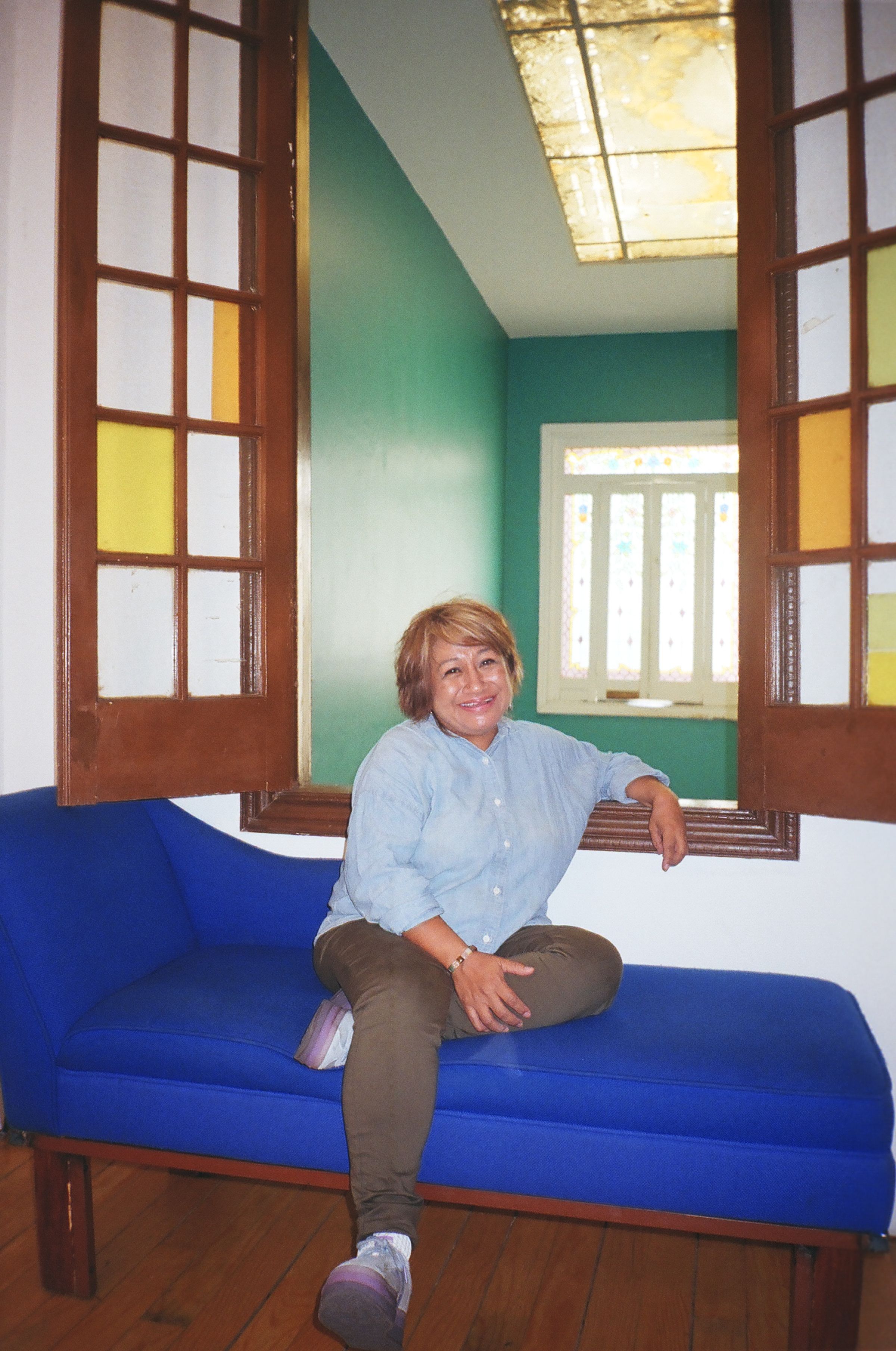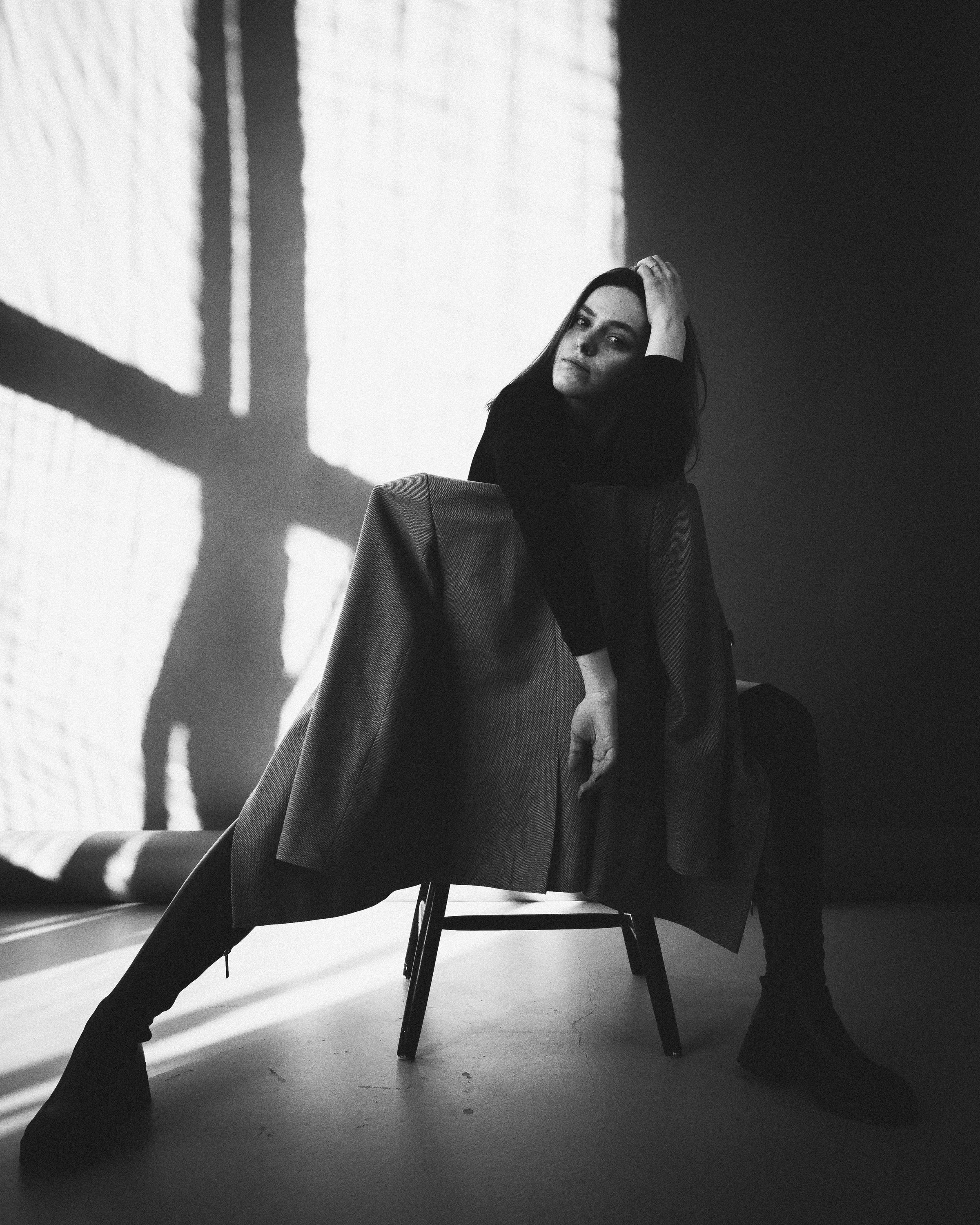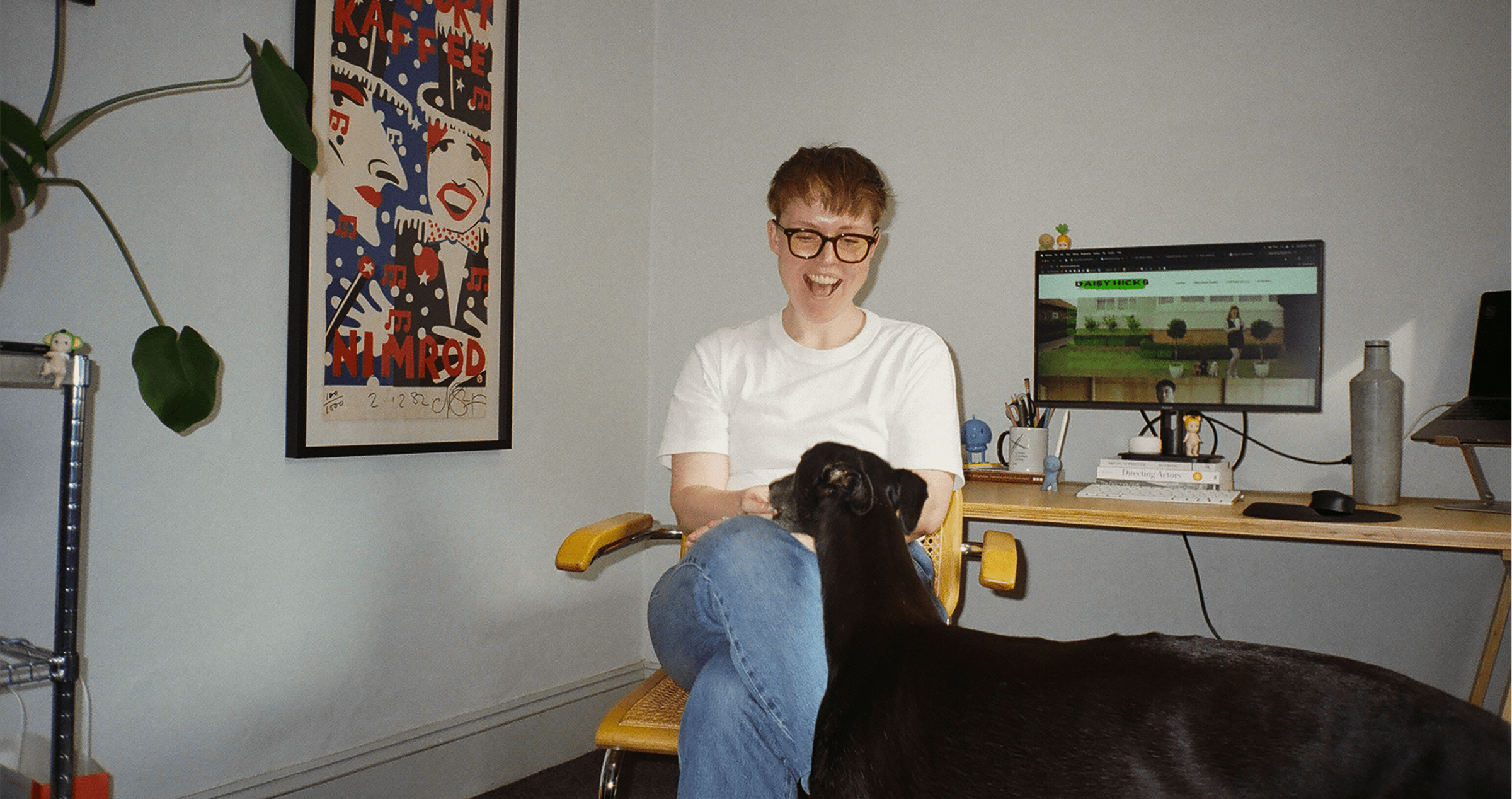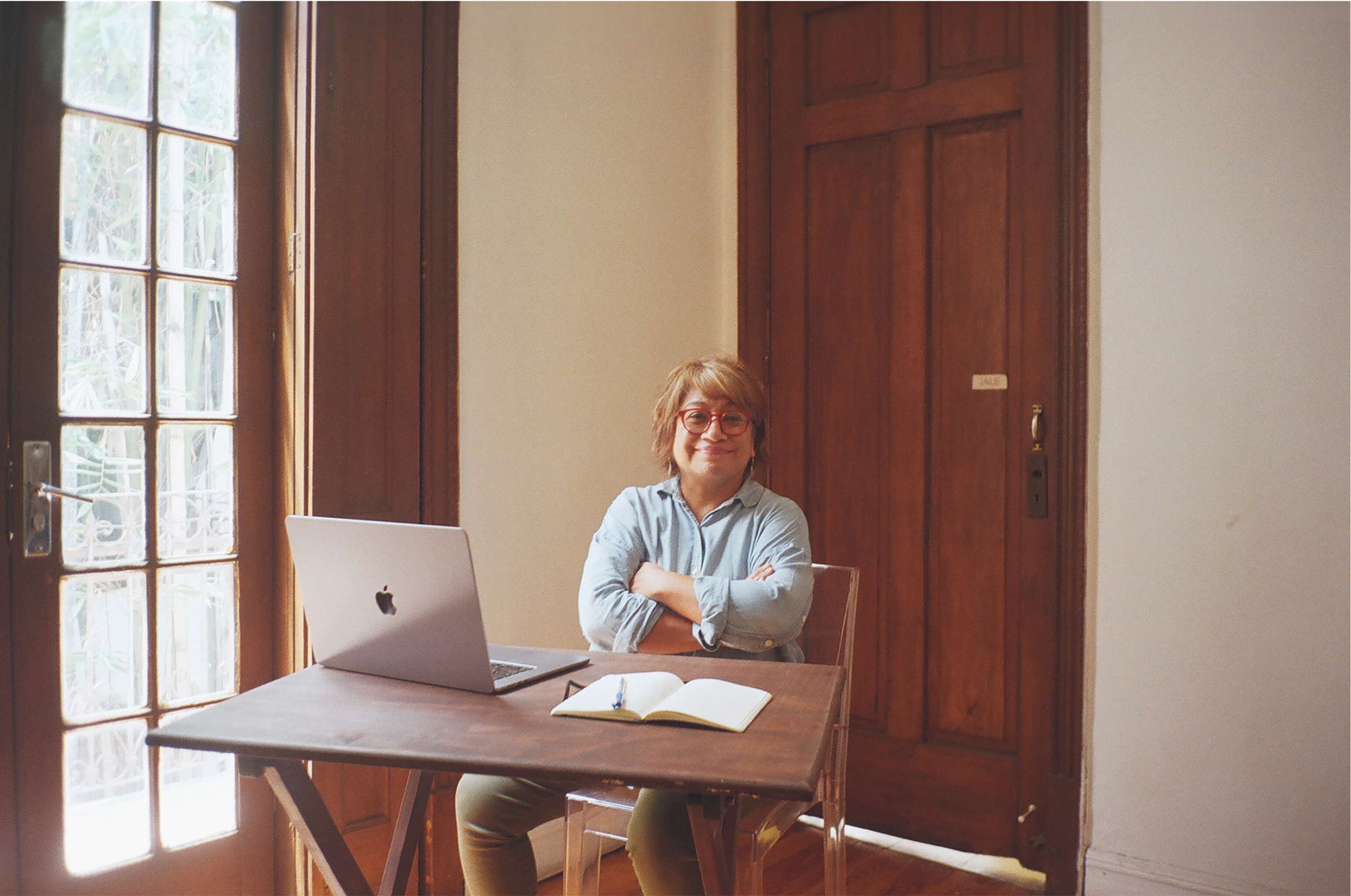
Este mes conocemos más a la encantadora Rocío Belmont. Formada principalmente en teatro, nos abre las puertas de su estudio y comparte maravillosas anécdotas con calidez y generosidad. Está rodeada de un equipo de actores jóvenes y empáticos cuya misión es hacer que este proceso sea lo más agradable posible.
El momento en que descubrí que la actuación era mi lugar
“A los 12 años, en la secundaria, descubrí mi pasión por la actuación en una clase de arte y teatro. Desde muy pequeña encontré ahí un amor muy profundo y supe que eso era a lo que quería dedicarme para siempre. Aunque mis papás siempre pensaron que me inclinaría por la ciencia y no estaban del todo de acuerdo con mi decisión. En la escuela también me di cuenta de mi interés por la dirección. Una maestra, al notar mi timidez, me sugirió trabajar detrás de escena, y fue ahí donde descubrí cuánto disfrutaba trabajar con actores.”
Mi referencia artística más poderosa fue la obra De la calle de Julio Castillo, una puesta en escena que desató una catarsis colectiva tan profunda que marcó mi camino. Esa comunión entre artistas y público es lo que siempre busco en mi trabajo: ese vínculo humano esencial que, incluso en estos tiempos, seguirá siendo nuestra meta principal. En el teatro, en ese instante en vivo, viví algo único que definió mi identidad artística y mi búsqueda constante de la simbiosis entre actor y personaje.”
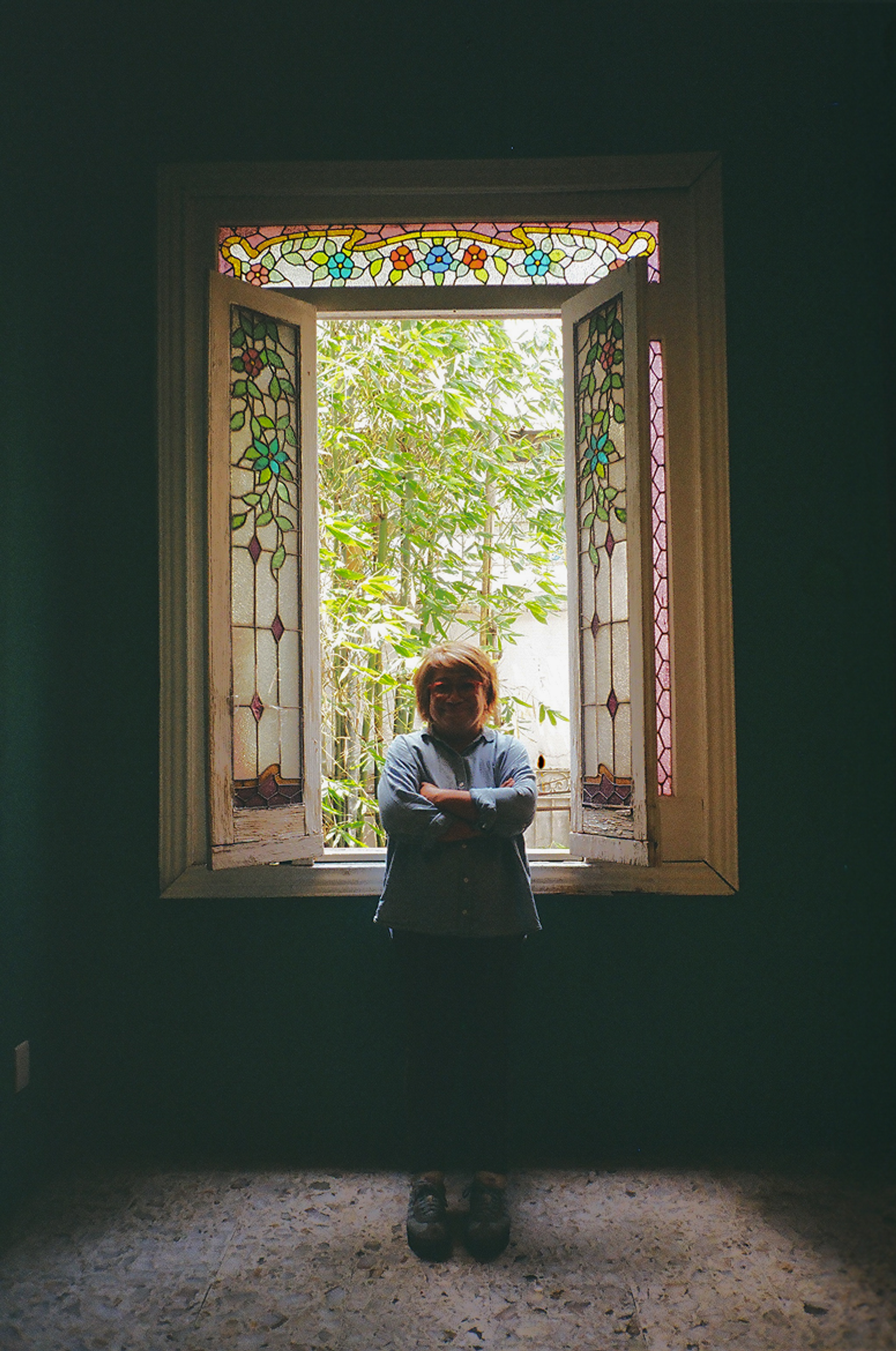
Sus inicios en Casting
RB “Entré al mundo del casting gracias a una invitación de mi amigo Jaime Ramos para la película Temporada de Patos. No tenía experiencia previa y empecé con total ingenuidad y entusiasmo, usando métodos tradicionales para encontrar actores, como anuncios en el periódico, visitas a escuelas y anuncios en la radio. Lo que al principio pensé que sería una experiencia única se convirtió en mi camino profesional. Después de mi primera película, empecé a recibir invitaciones para trabajar en otros proyectos, y así descubrí que cada proceso creativo es único y diferente: es como un trabajo de filigrana y hasta el día de hoy me sigue fascinando.”
Lecciones que inspiran
RB “Creo firmemente que la creación artística debe ser un trabajo horizontal y colaborativo. Para mí, directores y actores construyen las escenas juntos, a partir de la confianza y el diálogo. He tenido grandes maestros como Tavira, Mendoza y José Caballero, pero mi mayor maestro ha sido el fracaso. En esos momentos de rechazo es cuando aprendemos a reevaluarnos y a decidir si seguimos adelante.”
El guion como brújula
RB “Creo que el guion te elige a ti. Recuerdo un proyecto muy desafiante llamado Los Parecidos de Isaac Ezban. Tuve mi primera reunión con ellos y vi a un joven de 20 años vestido de blanco que llamó mi atención y era completamente lo opuesto a mí: yo siempre trato de mantener un perfil bajo. Pero cuando vi su mirada apasionada por hacer cine, eso es algo que atesoro porque vi la pasión, el deseo y la necesidad de hacer cine y eso es contagioso. Aun con un guion tan atípico, estaba emocionada. Aunque algunas personas no querían hacerlo y pensaban que era demasiado trabajo, yo sentí que era una película muy adelantada a su tiempo, y creí que solo él podía dirigirla. Es uno de los recuerdos más importantes y hermosos de mi carrera.”
Errores frecuentes y cómo evitarlos
RB “Los errores más comunes son las fotos. Para mí, las fotos son la primera impresión y a veces la gente se enfoca demasiado en verse ‘bonita’ o ‘guapo’, y entonces no representan quiénes somos realmente. Es importante acudir con un profesional, ahorrar y conseguir un portafolio muy bueno. A partir de tu material se puede saber qué tipo de actor eres: si eres profesional, amateur, etcétera. El casting tiene que ver tanto con la imagen como con la actuación.”
Qué distingue a los actores en un casting
RB “La forma en que te relacionas con la verdad. Hablar con humanidad y actuar con compromiso. Lo que hace a un actor es su necesidad de serlo, sin importar su técnica o formación.
Hace poco tomé unas clases con una directora maravillosa, María Novaro. Tiene una experiencia enorme detrás de la cámara y reconectar con la verdad, la sencillez y la humanidad fue maravilloso. Así es como me gustaría que me recordaran, ahora que a veces parece que la humanidad se está desvaneciendo”